
There is a specific kind of tired that lives in postpartum.
It's not the I-stayed-up-too-late tired of your 20s. It's not the I-had-a-bad-night-with-the-baby tired of new motherhood. It's the I-have-not-slept-more-than-2-hours-in-a-row-for-9-weeks-and-I'm-also-supposed-to-make-milk-from-my-body kind of tired.
So damn tired.
I work with a lot of new mothers as an herbalist, and the question I get most is some version of: "I've heard about herbs, but I'm breastfeeding — can I take it?"
Here's a piece I've been meaning to write for a while: three sleep herbs that have a reasonable safety profile for breastfeeding moms, what each one actually does, and a couple I'd ask you to skip until you're done nursing.
Free download: How to Make Loose Leaf Tea — including how to brew nervine teas without bitterness.
A note before we start
Nothing in this article is medical advice. I'm an herbalist, an Ayurveda counselor, and an Ayurdoula — but I'm not your provider. Always check with your IBCLC, midwife, OB, or pediatrician before adding herbs while breastfeeding. Some herbs cross into breastmilk in trace amounts, and individual babies react differently.
The herbs below are widely considered to have a low-risk safety profile in lactation. That's not a guarantee — it's a reasonable starting point.
Personally, I used these herbs while breastfeeding and had no adverse reaction or dip in breastmilk supply, however, we are all different.
Herb 1: Chamomile
What it does: Chamomile's active compound, apigenin, binds to the same brain receptors as common anti-anxiety medications. Gentler, slower, no dependence. It's the most beginner-friendly nervine I know, which is why it shows up in so many postpartum tea blends.
Why it's a good fit postpartum: Chamomile has been studied specifically in breastfeeding mothers and has shown improvements in sleep quality and reduced symptoms of postpartum depression in small clinical trials (see Journal of Advanced Nursing, 2016). The LactMed database — the standard reference for medications in lactation — categorizes chamomile as low-risk.
How I use it: A strong cup of loose-leaf chamomile tea, 60 minutes before bed. One tablespoon of dried flowers, steeped covered (the covered part matters — it traps the volatile oils that do the work). I like to steep for 8 minutes for a more floral taste but if you steep it longer, for 15-20 minutes, you receive more medicinal benefits plus gut health benefits. The taste does turn bitter though so play around with both steeping methods to see how you prefer it.
Herb 2: Oatstraw (love her)
What it does: Oatstraw is the unsung hero of postpartum nervines. It's the green tops of the oat plant before the grain forms, and it's mineral-dense (calcium, magnesium, B-vitamins) and deeply nourishing for a depleted nervous system. It doesn't sedate. It rebuilds. This is why my Milky Oats Tincture is one of my absolutely favorites for postpartum mothers to help rebuild their nervous system.
Why it's a good fit postpartum: Oatstraw is considered safe and even nourishing during lactation. It's traditionally used to support nervous-system recovery in mothers who feel "wired and tired" — that specific postpartum state where you can't sleep but you're also too exhausted to think.
How I use it: Cold-infused overnight (a tablespoon in a quart jar of room-temperature water, lid on, sit on the counter overnight). Strain in the morning and sip throughout the day. It tastes like a faintly sweet meadow.
You can also do a hot infusion where you boil water and let it steep for 15-20 minutes.
Herb 3: Lemon balm
What it does: Lemon balm (Melissa officinalis) is in the mint family and has been used since the Middle Ages for "easing the heart." Modern research shows it lowers cortisol and improves sleep onset, particularly when paired with other nervines.
Why it's a good fit postpartum: Lemon balm is widely considered safe during lactation. Bonus: it's mild enough to give to older toddlers in tiny doses, and it has a faint lemon-mint flavor most kids actually like.
How I use it: Steeped fresh or dried, often blended with chamomile and oatstraw. The combo I make for the postpartum mothers I work with is roughly: 2 parts chamomile, 2 parts oatstraw, 1 part lemon balm.
Herbs to skip while breastfeeding (or ask your provider first)
Personally, I am not concerned with these herbs and I drank them postpartum. However, these are more of the common herbs to avoid while breastfeeding.
-
Kava kava: Relaxes physical tension beautifully, but the safety data in lactation is limited. Most lactation references advise caution.
-
Skullcap: Excellent for the wired-and-tired state, but again, lactation data is limited.
-
Passionflower: Generally considered low-risk in moderate amounts, but I'd still flag it for a provider conversation if you're nursing a newborn.
This is one of those "call your IBCLC" moments. They have access to LactMed and the most current research, and they can give you a personalized answer.
A simple postpartum sleep blend (DIY)
If you want to make something at home tonight, here's the formula:
-
2 tsp dried chamomile flowers
-
2 tsp dried oatstraw
-
1 tsp dried lemon balm
-
Steep covered in 12oz freshly boiled water for 10 minutes.
-
Drink 60 minutes before bed.
Make it once. Make it twice. See if it changes anything for you.
Key takeaways
-
Postpartum sleep loss is a nervous-system issue, not a willpower issue. Nervine herbs help by calming the system, not sedating it.
-
Chamomile, oatstraw, and lemon balm are three herbs widely considered safe during breastfeeding — they nourish and calm without crossing major thresholds in milk.
-
Skip kava, skullcap, and large doses of passionflower during lactation unless cleared by your provider.
-
Always check with your IBCLC or midwife before adding any herb while nursing.
What I'd reach for
If you're past the breastfeeding stage and want the full nervine stack try these..
Monthly tea subscription
Milky Oats Tincture
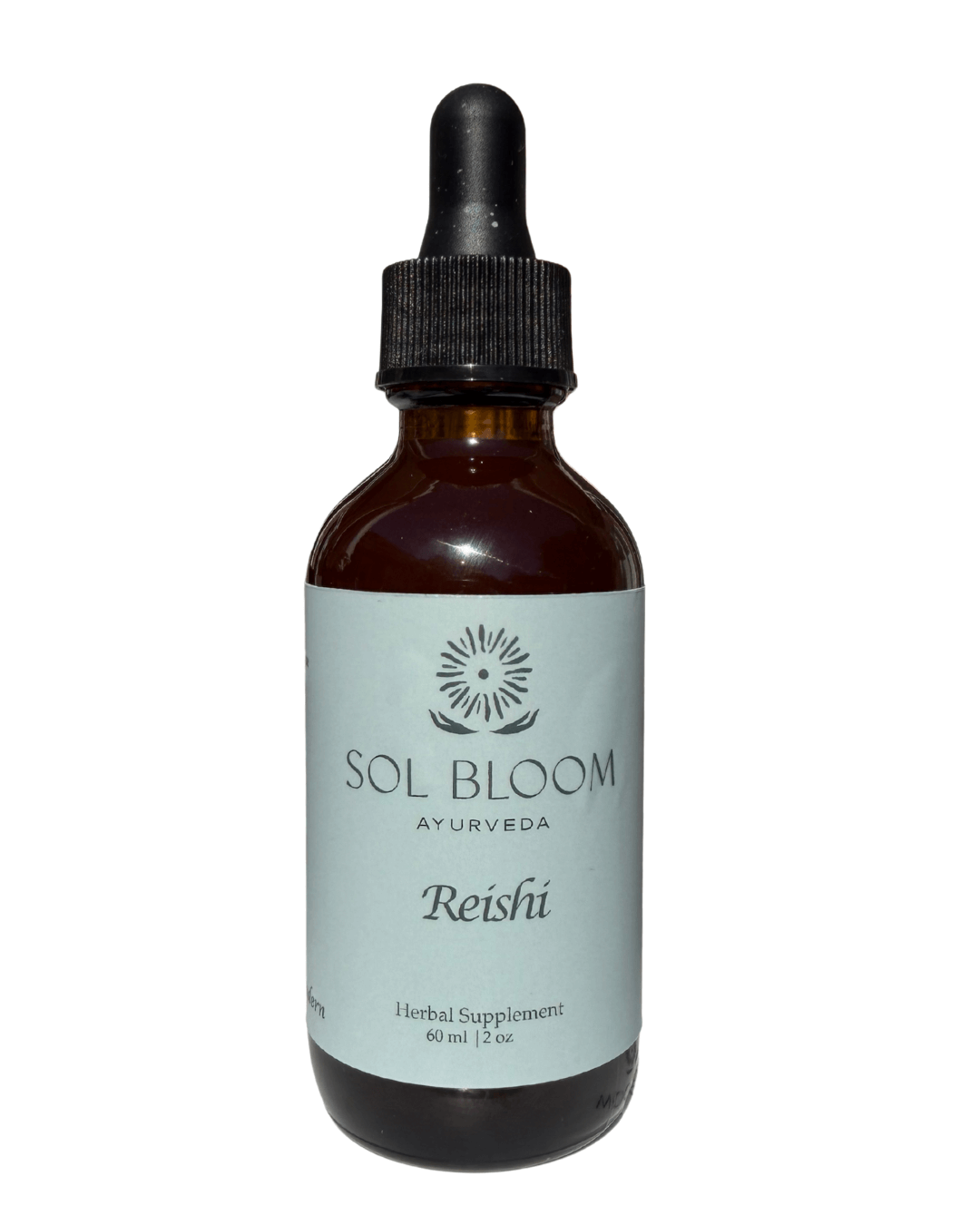
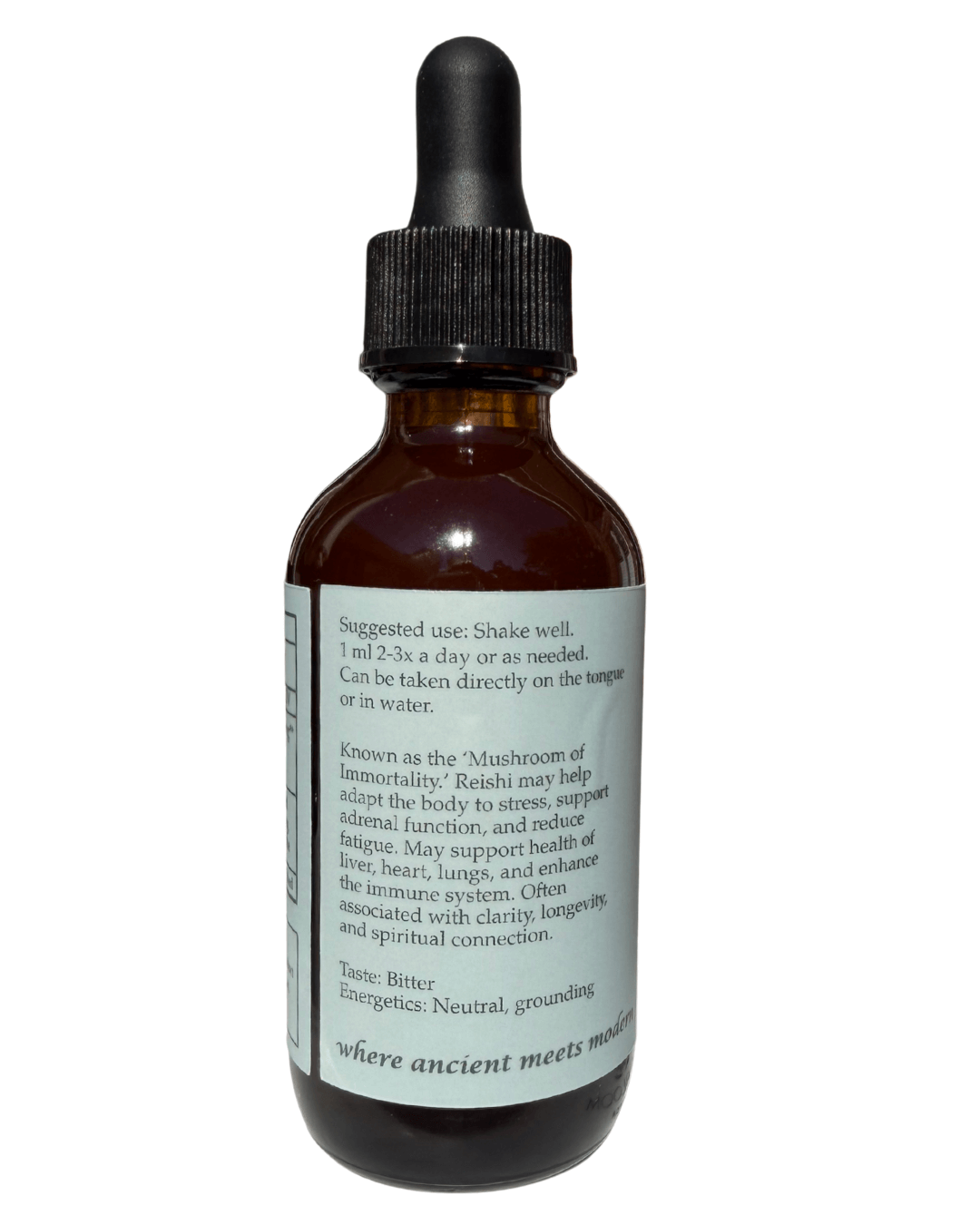
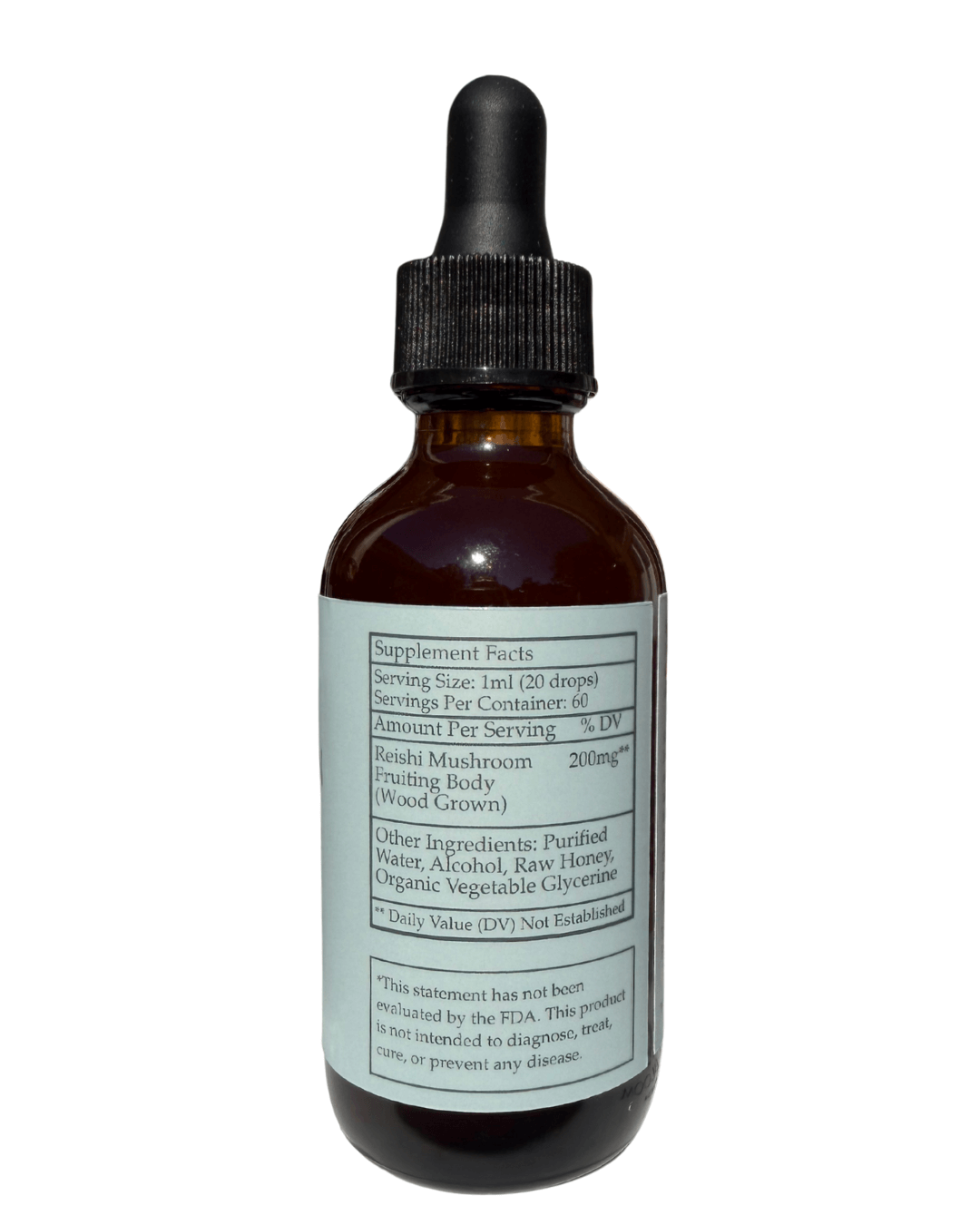
Reishi Tincture
Lactation Support Tea
There are great natural ways to support yourself postpartum and herbs is where you can start.