
Every July, without fail, I get some version of the same message from a client: "I don't know what's wrong with me, I just feel like I'm going to snap." Skin's flaring. Patience is gone. Stomach's off. They're exhausted but somehow also wired, like a phone charging at 1% while still running fifteen apps.
Here's what I tell them: nothing is wrong with you. You're just in Pitta season, and Pitta season is intense by design, in your mood, your skin, and yes, sometimes your gut too.
As an herbalist and Ayurveda Counselor, this is one of my favorite times of year to teach, because the symptoms are so obviously connected to the season once you know what to look for.
It's also a season I relate too because I am very much a Pitta by nature and imbalance. This time of year I feel intense both mentally and physically while also being burnt out.
Let's get into it.
What is Pitta, actually?
Pitta is one of the three doshas in Ayurveda, the energy of fire and transformation. It governs digestion, metabolism, and your internal drive. A balanced Pitta is what makes you sharp, motivated, and able to get things done.
Summer is Pitta's season. The heat outside amplifies the fire already inside you, and that's when a normally useful trait can tip into something less comfortable.
Why summer plans make it worse
Here's the part nobody talks about: Pitta season also happens to be the busiest season for most of us. Kids are out of school. Vacations get planned. Calendars fill up with things that all sounded fun in April and now feel like a lot.
That combination, internal fire plus external chaos, is exactly why July can feel harder than it should. It's not that you're doing too much. It's that you're doing a lot of "too much" during the exact season when your body has the least capacity to absorb it.
I think about it like this: Pitta doesn't need less life. It needs more cooling built into the life it already has.
When Pitta runs hot, it shows up everywhere at once
This is the part I wish more people understood: Pitta doesn't pick one lane. When it's out of balance, it tends to show up in your mood, your skin, and your digestion, often all in the same week.
In your mood: a short fuse over things that wouldn't normally bother you. That wired-but-exhausted feeling, like you're running on fumes and adrenaline at the same time. A sense of being one small annoyance away from snapping.
In your skin: flare-ups, redness, breakouts, a general feeling of "hot to the touch." Pitta skin issues tend to look inflamed rather than dry or dull.
In your gut: heartburn, acid reflux, a stomach that feels like it's working overtime. For some people, excess Pitta shows up as loose stools or diarrhea instead, the digestive system essentially "running hot" the same way your temper might.
If two or three of these sound familiar right now, you're not imagining it, and you're not broken. You're in Pitta season, and your body is asking for something specific.
The herbs that cool Pitta from the outside in
The good part about Ayurveda is that it treats the earth like a working system. Whatever season you're in tends to grow the exact plants your body needs for that season. Summer is no exception.
A few of my favorites:
Cucumber. Simple, but genuinely one of the most cooling foods available. High water content, mild, gentle on digestion. If you only make one change this week, add cucumber to something daily.
Lemon balm. A nervine, meaning it works directly on a frazzled nervous system. This is the herb I reach for when the "wired but exhausted" feeling shows up. It's cooling and calming without being sedating.
Milky Oats. Cools off the nervous system and because of it's milky nature, it has a physically cooling sense to the internal body.
Term: Nervine — an herb that has a supportive, balancing effect on the nervous system, often used for stress, tension, or an overactive fight-or-flight response.
What I love about this trio is that none of them are exotic or hard to find. Cucumbers and mint are peaking at farmers markets right now for a reason.
When the nervous system needs deeper repair: milky oats and reishi
Lemon balm and mint are great for the in-the-moment heat, the afternoon when you feel your temper rising. But if this Pitta season has felt less like a bad afternoon and more like weeks of running hot, two herbs go a layer deeper.
Milky oats Tincture (the fresh, "milky" tops of the oat plant, harvested before the grain hardens) are what I reach for when someone's nervous system feels genuinely worn down, not just tense in the moment, but frayed from weeks of doing too much in too much heat. Where lemon balm calms you down right now, milky oats work more slowly, over weeks of consistent use, to actually rebuild a nervous system that's running on empty. Herbalists call this a nervine tonic, as opposed to a nervine relaxant: it restores rather than just soothes.
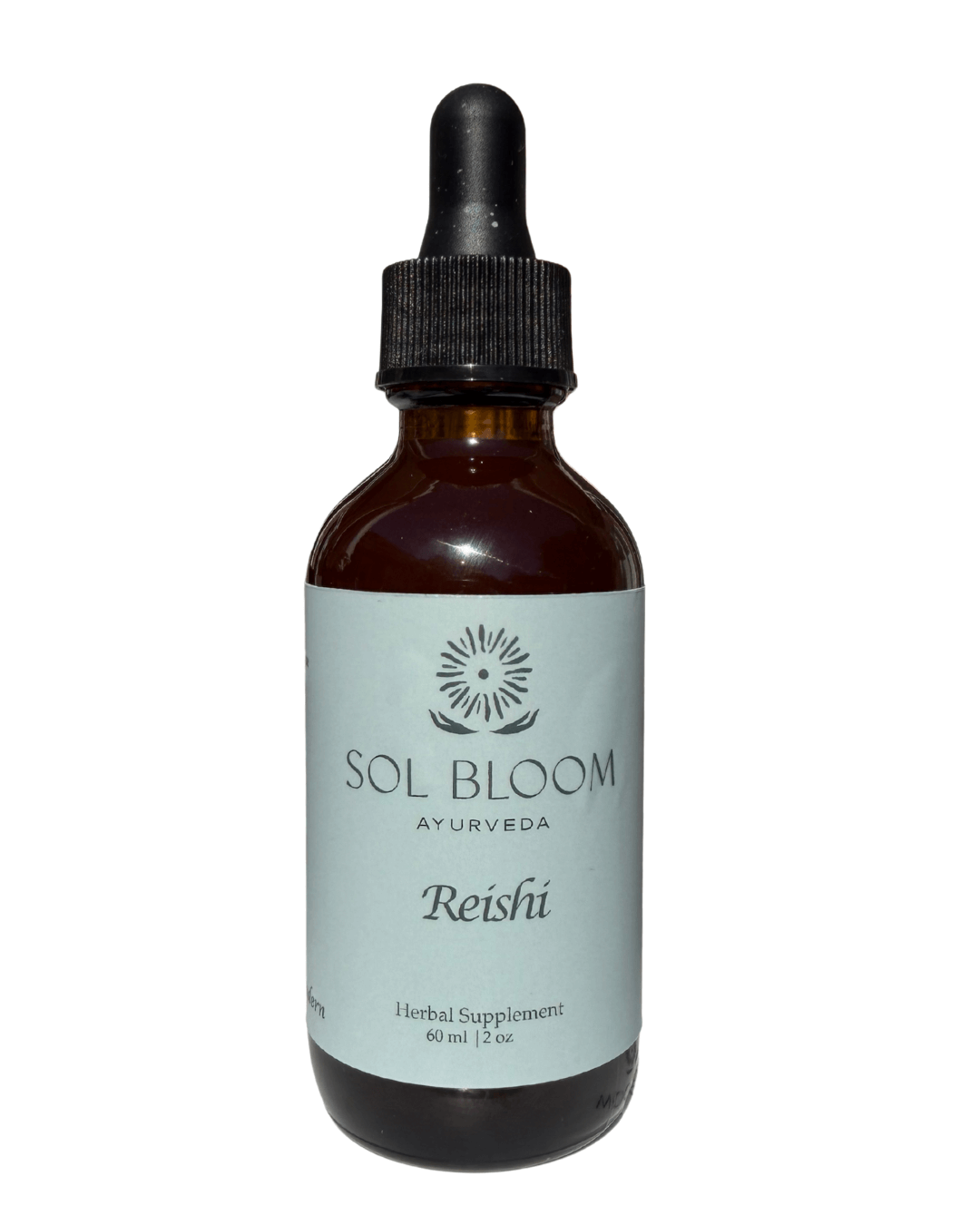
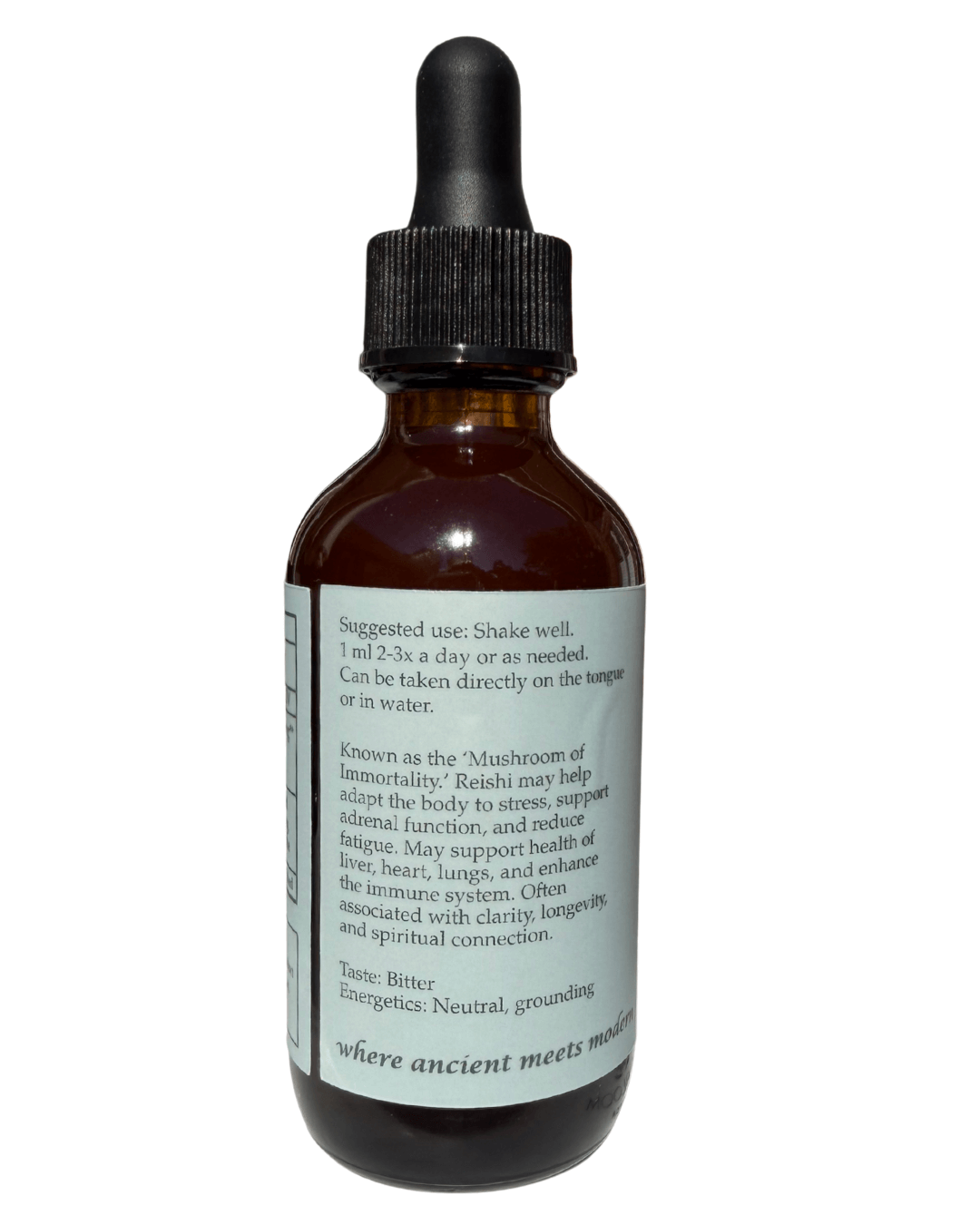
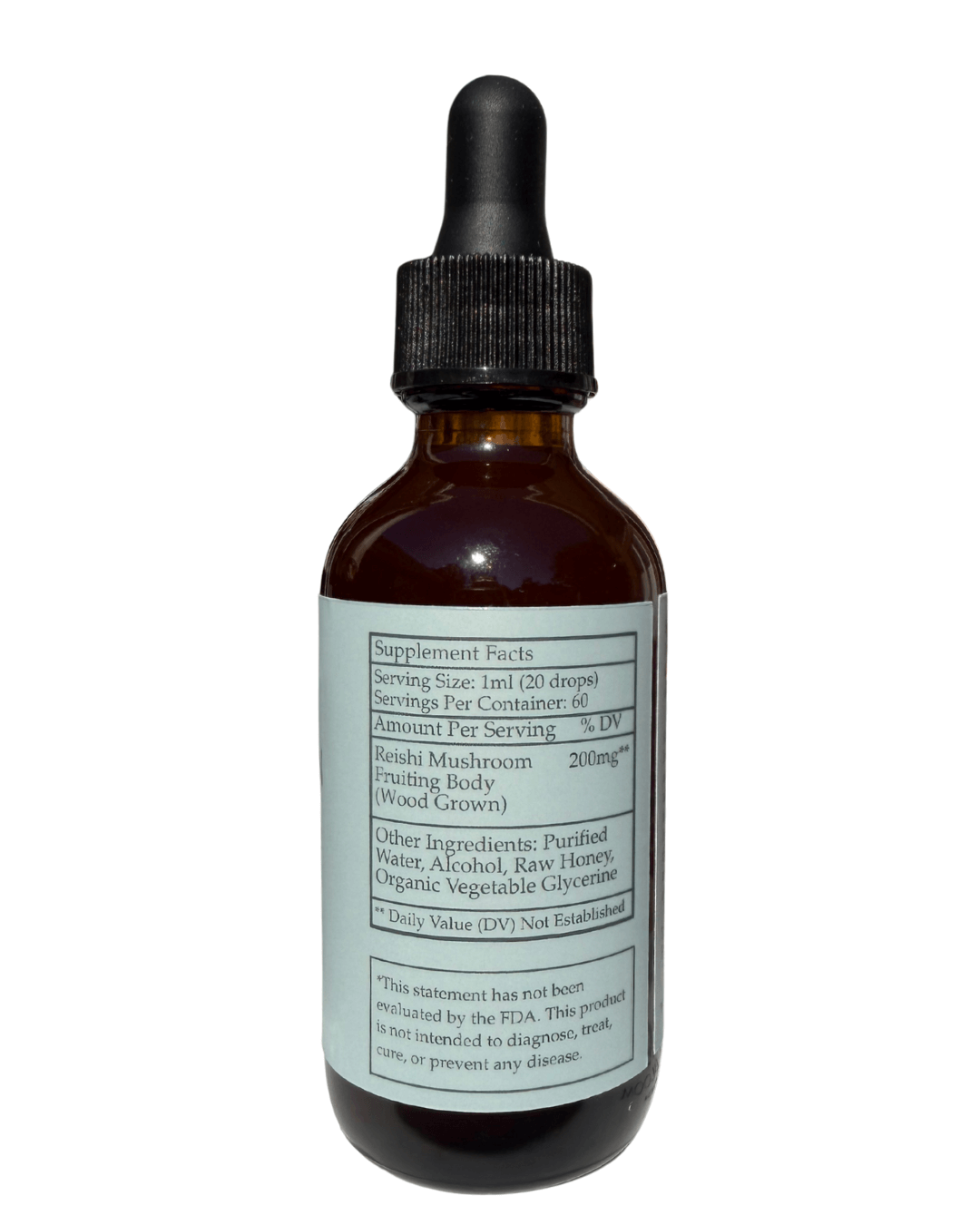
Reishi is an adaptogenic mushroom, meaning it helps your body adapt to stress rather than targeting one specific symptom. Energetically, reishi is considered cooling and calming, historically nicknamed the "mushroom of spirit" for its effect on an overactive, overstimulated mind. It's not sedating, so it works well during the day, and it's a good match for a Pitta season where the heat is coming from both outside and inside your own head.
Term: Adaptogen — an herb that helps the body maintain balance under stress, rather than pushing it in one specific direction.
If Pitta season has left you feeling more depleted than sharp lately, milky oats and reishi are worth a look, either as a tea or a tincture, alongside your daily cucumber and mint.
When the heat moves to your gut: soothing an overheated digestive system
Pitta is a digestive fire by nature, so it makes sense that when it runs too hot, digestion is often where you feel it first. Heartburn. An acidic stomach. For some people, loose stools instead of the usual rhythm.
This is where Gut Repair Tea comes in. It's formulated to soothe and cool a digestive system that's been running too hot for too long, the same underlying idea as cucumber and mint, just aimed at your gut lining instead of your skin or your temper.
If Pitta season shows up for you as a stomach that's never quite settled, this is worth reaching for alongside the cooling habits above, not instead of them.
How to actually use this (without overhauling your life)
I'm not going to tell you to build a ten-step summer wellness routine. Nobody has time for that in July, least of all the people this season is hardest on.
Instead, pick one:
- Add cucumber to water, a salad, or a snack today.
- Steep fresh or dried mint as an iced infusion for the fridge.
- Work a lemon balm tea or tincture into your afternoon, right when the wired feeling tends to hit.
- If you're feeling depleted rather than just overheated, start a milky oats or reishi tea as a slower, daily practice.
- If your gut is the part that's running hot, a cup of Gut Repair Tea after meals is an easy place to start.
That's it. One small, cooling habit is enough to start shifting how the season feels in your body.
Is Pitta just a fancy word for "hot and cranky"?
Fair question. Not exactly.
Being hot and cranky is the symptom. Pitta is the underlying pattern that produces it. Ayurveda groups the body's tendencies into three doshas, Vata (air and movement), Pitta (fire and transformation), and Kapha (earth and structure). Everyone has all three, but most people run a little heavier in one, and everyone's Pitta rises in summer regardless of their baseline.
That distinction matters because it changes what you reach for. A Vata-dominant person who's anxious in July needs grounding as much as cooling. A Kapha-dominant person might barely notice the heat at all. But if you're noticing the classic Pitta signs, short fuse, skin flares, an unsettled stomach, cooling is the specific lever that helps, not just "calming down" in general.
How long before you actually feel a difference?
This is the question I get most, and I'd rather give a real answer than an exciting one.
Food-based cooling, cucumber in your water, mint in your afternoon, tends to feel noticeable the same day. It's mild, but it's fast. Herbs like lemon balm work over days rather than hours. Milky oats and reishi are the slowest of the group by design, they're rebuilding something, not just calming it, so give them a few consistent weeks before expecting a shift.
Neither approach requires patience you don't have. Both are meant to layer into a day you're already living, not replace it.
Looking ahead: what's coming in August
This month's featured blend in the monthly tea subscription is Mind Right Tea, built to help re-focus the mind for intensity to purpose.
In August, the featured blend shifts to Mind Right Tea, a caffeine-free herbal blend formulated to clear mental fog and bring you back to focus, no jitters, no crash. It's built with Gotu Kola, Brahmi, spearmint, lemon balm, ginger root, and rosemary, several of which are the same cooling, Pitta-pacifying herbs we've been talking about here, just aimed at mental clarity instead of physical heat.
It makes sense as the next step. Cool the fire first, then clear the fog it leaves behind. Subscribers get each month's blend automatically, so if you're already in the subscription, Mind Right Tea will just show up in August. If you're not, this is a good month to start.
Shop the perfect summer herbs
- Milky Oats Tincture - to calm the mind and the nervous system
- Reishi Tincture - to calm stress and overwhelm
- Gut Repair Tea - to relieve heated symptoms